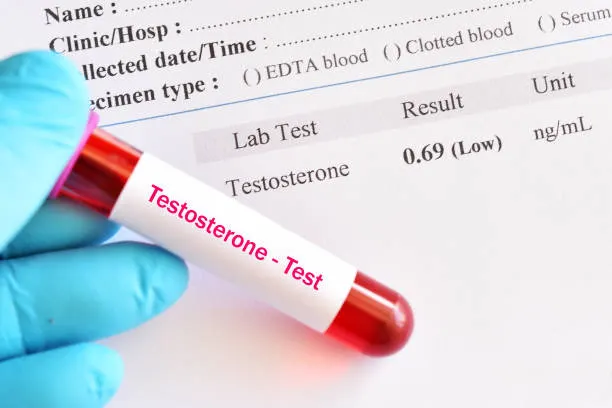
After age 40, testosterone levels decline by about 1–3% each year [1]. That slow slide is easy to miss. Energy dips, workouts feel harder, belly fat creeps up and your drive fades. Most men chalk it up to stress or age, but these changes often point to a hormone problem that can be measured and treated.
Low testosterone, or low T, is diagnosed when a man has symptoms such as fatigue, low libido or loss of muscle, plus two early-morning blood tests showing total testosterone below 300 ng/dL [1]. Testosterone replacement therapy (TRT) restores healthy levels. Simone Medical near Charlotte, NC, offers personalized TRT programs to help you get there.
The sooner you recognize the signs, the sooner you can do something about them. Here is what to watch for and what treatment involves.
Why Testosterone Matters More Than You Think
What testosterone does in your body
Testosterone does far more than drive your libido. In adult men, it helps maintain muscle mass, bone strength and sex drive [2]. It also supports red blood cell production and influences mood, focus and motivation. When levels fall, you can feel it in almost every part of your life.
How levels change with age
Testosterone rises during puberty and peaks around age 18, when levels can top 1,000 ng/dL [2]. From there it begins a gradual decline, which speeds up in your 40s [1][2]. For some men the drop stays mild. For others, it falls far enough to cause real symptoms. Low T becomes more common after age 45 [3].
Modern lifestyle and hormone health
Age isn’t the only factor. Most men with low T symptoms don’t have a problem with their testicles or pituitary gland. More often, the cause is linked to obesity or diabetes [3]. Alcohol use, certain medical treatments and injuries can also lower testosterone [3].
Everyday habits matter too. About 37% of U.S. men don’t get enough sleep, and the rate climbs to 39% among adults aged 45 to 64 [4]. Chronic stress keeps cortisol high, which works against healthy hormone balance [5]. Learn more about how sleep affects your hormones and EMF exposure and male health.
The Warning Signs of Low Testosterone
Physical signs
- Low energy and afternoon crashes
- More body fat, especially around the midsection
- Loss of muscle and strength
- Slower recovery after workouts
- Disrupted sleep
That stubborn belly may have a hormonal cause. Read What Really Causes Dad Bod?
Sexual health changes
The most specific signs of low T involve sexual health. They include a lower sex drive, fewer morning or spontaneous erections, and trouble getting or keeping an erection [3]. Many men feel uncomfortable bringing these up, but they are important clues for your provider.
Mood and mental changes
- Irritability or mood swings
- Low motivation
- Trouble concentrating or mental fog
- A general sense that you’ve “lost your edge”
Why men ignore the signs
These symptoms build slowly, so they rarely feel urgent. Many men assume fatigue comes from work, or that weight gain is just part of getting older. Others avoid the doctor until something breaks. The result is years of feeling below your best when a simple blood test could have pointed to the cause.
How Low Testosterone Is Diagnosed
Testing the right way
An accurate diagnosis needs more than one number. Guidelines recommend two total testosterone tests taken on separate early mornings, since levels peak early in the day [1]. A level below 300 ng/dL, together with symptoms, supports a diagnosis of low testosterone [1].
Looking at the whole picture
Testosterone doesn’t work alone. Your evaluation at Simone Medical also looks at thyroid function, blood sugar and cholesterol. This matters because low T often travels with other conditions. Among U.S. adults with obesity, 58% have high blood pressure and about 23% have diabetes [6].
How TRT Works at Simone Medical
Your personalized TRT plan
Your men’s hormone therapy plan may combine bioidentical testosterone with nutrition guidance and lifestyle changes. Treatment is self-administered at home, with supplies included. For more on the benefits, read The Secret to Improved Well-being with BHRT for Men.
What to expect
Many men notice changes in energy, mood or sleep within the first several weeks. Changes in body composition, such as more muscle and less belly fat, usually take longer and depend on your training and diet. Your provider will tell you what to track so you can see your progress.
Monitoring and adjustments
TRT works best with steady follow-up. Your provider checks your labs and symptoms over time and adjusts your dose as needed. This keeps your levels in a healthy range and helps you get the most from treatment while watching for side effects.
Lifestyle Habits That Support Healthy Testosterone
Nutrition and body composition
Because excess body fat is closely tied to low T [3], losing weight can improve your levels. A Mediterranean-style diet, rich in vegetables, fish, nuts and olive oil, supports healthy blood sugar, blood pressure and cholesterol [8]. Cutting back on hormone-disrupting foods helps too. Some men combine TRT with a medical weight loss program to reach their goals faster.
Exercise and recovery
The CDC recommends 150 minutes of moderate activity each week plus two days of muscle-strengthening exercise [7]. Strength training is especially helpful for men with low T because it builds the muscle that testosterone supports. Recovery matters just as much. Overtraining without rest can raise stress hormones and work against your progress.
Sleep and stress
Adults need at least seven hours of sleep each night [4]. Short or broken sleep can lower your levels, and chronic stress raises cortisol [5]. Natural tools such as adaptogens and meditation may help you manage stress.
Getting Started With TRT at Simone Medical
What’s included
Monthly TRT programs include:
- Comprehensive labs and a lifestyle evaluation
- At-home treatment with supplies included
- Video visits for follow-up
- 24-hour messaging with your care team
Your first visit
Starting TRT requires one in-person visit at our office in Matthews, near Charlotte. After that, most follow-ups happen by video while you are in North Carolina. Your care is led by Lindsay Simone, FNP-C, a board-certified family nurse practitioner. Simone Medical does not bill insurance, but HSA or FSA funds may apply. See all programs on the Services page.
Conclusion
Low testosterone is common, measurable and treatable. The warning signs are easy to ignore because they build slowly, but you don’t have to accept feeling tired, soft and unmotivated as a normal part of aging. The right testing, a personalized plan and healthy habits can help you feel strong and focused again. If you recognize these signs, book a TRT consultation with Simone Medical.
Frequently Asked Questions
What testosterone level is considered low? A total testosterone level below 300 ng/dL, confirmed on two early-morning tests, supports a diagnosis of low testosterone when symptoms are present [1].
At what age does testosterone start to drop? Testosterone peaks around age 18 and declines gradually, by about 1–3% a year after age 40 [1][2].
Do I need to visit the office to start TRT? Yes. TRT at Simone Medical requires one in-person visit in Matthews, NC. Follow-ups can be done by video.
Does Simone Medical treat women’s hormones too? Yes. See women’s hormone therapy and the FAQs.
References
- American Urological Association. AUA Releases New Clinical Guideline for Diagnosis and Treatment of Testosterone Deficiency.
- Cleveland Clinic. Testosterone.
- Cleveland Clinic. Low Testosterone (Male Hypogonadism).
- Centers for Disease Control and Prevention. Adult Sleep Facts and Stats.
- Cleveland Clinic. Cortisol.
- Centers for Disease Control and Prevention. Adult Obesity Facts.
- Centers for Disease Control and Prevention. Physical Activity Guidelines for Adults.
- Cleveland Clinic. Mediterranean Diet.