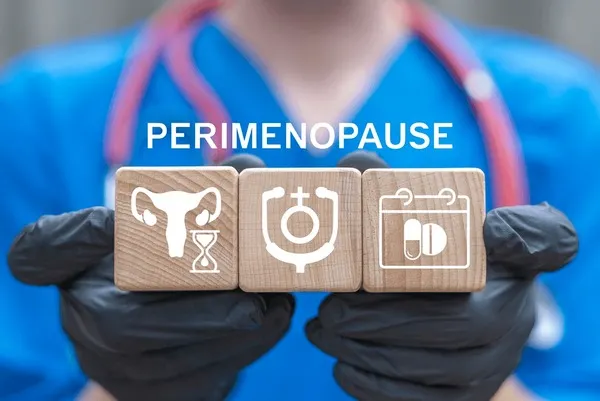
As many as 3 in 4 women have hot flashes in the years leading up to menopause, and up to 1 in 3 report more than 10 a day [1]. Yet many women are told their symptoms are “just stress” or “part of getting older.” Perimenopause can begin as early as your mid-30s and last up to eight years [2]. That is a long time to feel unlike yourself without answers.
Perimenopause is the transition before menopause, when estrogen and progesterone rise and fall unpredictably. It can cause hot flashes, night sweats, poor sleep, mood swings, brain fog, low libido and weight gain. Bioidentical hormone replacement therapy (BHRT) uses hormones structurally identical to your own to ease these symptoms.
The good news is that you have options. Understanding what is happening in your body is the first step toward feeling like yourself again.
Understanding the Perimenopause Transition
When does perimenopause start?
Perimenopause usually begins in your mid-40s, though it can start anywhere from your mid-30s to your mid-50s [2]. On average it lasts about four years, but for some women it stretches to eight [2]. You officially reach menopause after 12 months in a row without a period [2]. In the United States, the average age of menopause is 52 [3].
Because the changes are gradual, many women don’t connect the dots. A bad night’s sleep here and a short temper there can feel unrelated until they add up.
What happens to your hormones
During perimenopause, your ovaries produce estrogen and progesterone less predictably. Some months levels spike, other months they drop. Progesterone often declines first, which can affect sleep and mood. Testosterone also falls with age, and it matters for women more than most people realize. Learn why in What Does Testosterone Do in Females?
These shifts don’t only cause symptoms. Estrogen protects your bones and heart. On average, women lose 25% of their bone mass from the time of menopause to age 60 [3]. The loss of estrogen also raises the risk of cardiovascular disease after menopause [3].
Why symptoms get dismissed
Standard checkups are not built to catch hormonal shifts. Many women leave appointments with a prescription for sleep or mood, but no plan for the hormones behind both. Others are told their labs look fine. If that sounds familiar, read Why Your Labs Look Normal When You Don’t Feel Normal.
Signs Your Hormones May Be Out of Balance
Physical symptoms
- Irregular, heavier or lighter periods
- Hot flashes and night sweats
- Weight gain, especially around the midsection
- Vaginal dryness and discomfort during sex
- Needing to urinate more often
- Fatigue that rest doesn’t fix
A typical hot flash lasts one to five minutes [1]. Some women have them for a few months, while others have them for years [1].
Emotional and mental symptoms
- Irritability, anxiety or mood swings
- Low mood or depression
- Brain fog and trouble concentrating
- Lower interest in sex
These changes are real and have a physical cause. They are not a sign that you are failing to cope.
Sleep changes
Trouble falling or staying asleep is one of the most common complaints our patients describe. Night sweats wake you up, and falling progesterone makes it harder to get back to sleep. Poor sleep then raises cortisol, your main stress hormone, creating a cycle that is hard to break [4]. Learn more in Can Lack of Sleep Cause Hormonal Imbalance?
Signs of too much testosterone
Hormone imbalance does not always mean too little. Some women have higher-than-normal testosterone, which can cause acne, unwanted hair growth and irregular cycles. Read High Testosterone in Women: Warning Signs Your Doctor Missed.
How Bioidentical Hormone Therapy Works
What makes BHRT “bioidentical”
Bioidentical hormones are designed to match the hormones your body produces [5]. At Simone Medical, BHRT may include estrogen, progesterone and testosterone. Prescriptions are filled through an accredited compounding pharmacy network, so doses can be tailored to your labs and symptoms.
It is worth knowing the difference between the two types. Some bioidentical hormones are premade and FDA-approved. Compounded versions are custom-made by a pharmacist and are not FDA-approved [5]. That is why careful testing, dosing and follow-up matter so much with any personalized plan.
Benefits of hormone therapy
The main benefit of hormone therapy is relief from menopause symptoms such as hot flashes and vaginal dryness [6]. It also lowers the risk of osteoporosis and broken bones [6]. Most women see their symptoms improve once hormone levels rise, though it takes about three months to feel the full effect [5].
Delivery options
BHRT at Simone Medical can be delivered as:
- Creams
- Gels
- Patches
- Tablets
Your provider helps you choose the option that fits your symptoms, lab results and daily routine.
Timing and safety
When you start matters. Cleveland Clinic advises starting hormone therapy before age 60 or within 10 years of menopause to lower the risk of complications [6]. Hormone therapy can raise the risk of blood clots, stroke and, with long-term use in some people, breast cancer [5][6]. Your provider weighs these risks against your symptoms and health history before recommending treatment.
Testing and Personalized Care
How perimenopause is diagnosed
Perimenopause is often diagnosed from your symptoms, age and medical history [2]. Lab testing still plays an important role in treatment. It shows where your hormones stand, rules out other causes such as thyroid problems, and gives a baseline to measure progress.
What your evaluation includes
Your women’s hormone therapy plan starts with a thorough evaluation. That includes comprehensive labs, specialty testing and a full conversation about your symptoms, health history and goals. Treatment is adjusted over time as your body responds.
Supporting Your Hormones Naturally
Nutrition comes first
At Simone Medical, food and natural supplements are the first step toward better hormone health. A Mediterranean-style diet built on vegetables, fruit, whole grains, fish and olive oil supports healthy blood sugar, blood pressure and cholesterol [7]. It also supports a healthy balance of gut bacteria [7]. Start with Your Gut-Friendly Perimenopause Diet, How the Mediterranean Diet Improves Hormone Balance and our list of 13 Hormone-Disrupting Foods to Avoid.
Stress and mind-body support
Chronic stress keeps cortisol high, which can lead to belly weight gain and high blood sugar [4]. Daily practices such as meditation can ease anxiety and help with hot flashes. Read Why Mindfulness Meditation Is a Natural Relief for Menopause Symptoms and What Are Adaptogens?
Sleep habits
Adults need at least seven hours of sleep each night [8]. A cool bedroom, a steady bedtime and less screen time at night can all help when night sweats disrupt your rest.
When weight is part of the picture
Falling estrogen makes it easier to gain weight around the belly. If weight is one of your top concerns, BHRT can be paired with medical weight loss for a plan that addresses both.
Getting Started With Women’s Hormone Therapy
What’s included
Simone Medical’s 3-month women’s hormone programs include:
- Video visits or in-person visits in Matthews, NC
- Comprehensive lab work and specialty testing
- 24-hour messaging with your care team
- Nutrition and supplement guidance
Your first visit
Your care starts with Lindsay Simone, FNP-C, a board-certified family nurse practitioner. She reviews your history, symptoms and labs, then builds a plan around your goals. See all programs on the Services page.
Conclusion
Perimenopause affects most women, yet its symptoms are often brushed aside. You don’t have to wait it out. Understanding your hormones, supporting them with nutrition, sleep and stress care, and using bioidentical hormones when appropriate can help you sleep, think and feel like yourself again. If you are ready for answers, book a hormone consultation with Simone Medical.
Frequently Asked Questions
At what age does perimenopause start? Most women begin perimenopause in their mid-40s, but it can start as early as the mid-30s [2]. The average age of menopause in the U.S. is 52 [3].
How long does it take for BHRT to work? Many women notice changes within weeks, but it takes about three months to feel the full effect [5].
Is bioidentical hormone therapy safe? Safety depends on your age, health history, the hormones used and the dose. Starting before 60 or within 10 years of menopause lowers the risk of complications [6].
Does Simone Medical take insurance? No. Many patients use HSA or FSA funds. See the FAQs.
References
- Cleveland Clinic. Hot Flashes.
- Cleveland Clinic. Perimenopause.
- Cleveland Clinic. Menopause.
- Cleveland Clinic. Cortisol.
- Cleveland Clinic. Bioidentical Hormones.
- Cleveland Clinic. Hormone Therapy for Menopause Symptoms.
- Cleveland Clinic. Mediterranean Diet.
- Centers for Disease Control and Prevention. Adult Sleep Facts and Stats.